Thursday, May 3, 2018


Healthy Dinner Recipes in 10 Minutes (or Less)

Stuffed sweet potatoes with a pea and avocado smash

Servings: 1-2

Ingredients

  • 2 medium sweet potatoes
For the pea and avocado smash:
  • 1 cup green peas
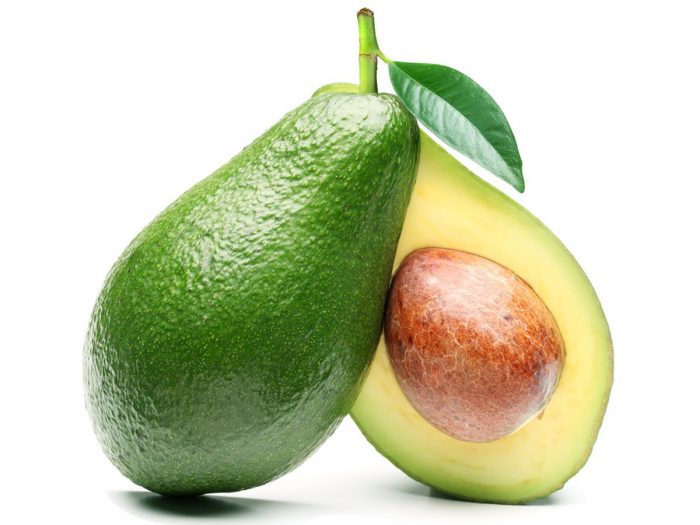
  • 1 avocado
  • 1-2 garlic cloves, chopped
  • 1/4 cup red onion, chopped
  • ~ 1 tbsp. olive oil
  • sea salt, black pepper, and chili flakes to taste

For the spiced chickpeas:
  • 1 can chickpeas, drained and rinsed
  • ~ 1 tbsp. avocado oil (or oil of choice)
  • 1 clove garlic, minced
  • 1/4 cup red onion, chopped
  • ~ 1 tsp. smoked paprika
  • 1/2 tsp. cumin
  • 1/4 tsp. cayenne
  • a pinch of chili flakes and salt to taste
For the maple tahini dressing:
  • 4 tbsp. tahini 
  • 1 1/2 tbsp. maple syrup
  • 1 1/2 tbsp. lemon juice
  • 1 clove garlic, minced
  • 2 tsp. apple cider vinegar
  • 1 tsp. olive oil
  • sea salt and black pepper

Directions

  1. Poke holes in your sweet potatoes and cook in the microwave for around 4-7 minutes, until tender.
  2. For the chickpeas: In a small pot over medium heat, add your avocado oil, garlic, onion, and spices and cook for around 1-3 minutes. Next, add your chickpeas and cook for 5-10 minutes until you’re ready to serve.
  3. For the pea and avocado smash: In a blender or food processor, add all your ingredients and blend/pulse until you’ve reached your desired consistency.
  4. For the dressing: In a medium bowl, whisk together all the ingredients until thoroughly combined.
  5. Cut open your cooked sweet potatoes, stuff with the pea and avocado smash and chickpeas, and then drizzle with the maple tahini dressing. Serve with any other vegetables if desired.
Tuesday, October 4, 2016

https://youtu.be/BosGVnlraM8. Lishe bora kwa watoto: faida zake na umuhimu
watu wengi hawana ufahamu kuhusu lishe bora na hata jinsi watoto wanatakiwa kupata chakula.
Pitia hii link upate kujua kwa kuangalia hii video upate kujua umuhimu wa lishe bora wewe mzazi.
usisahau kutoa maoni yako.

Sunday, September 4, 2016

https://youtu.be/eRbSalIhEzc
 eeeeeee bana eeeh wabongo sioo ile ngoma YA PANDA BY MR DESIGNER iliyo hit sana headlines SASA WABONGO WAMEIMBA IN SWAHILI.. just hiT ON This links and see how creative TANZANIANS ARE. ngomaa kalii sanaaaa.

Thursday, September 1, 2016

FIVE THINGS YOU WILL NEVER LEARN IN MEDICAL SCHOOL but good to Know!!!

http://www.medscape.com/viewarticle/867526 

Hypovolemic Pre-hospital Care Tips

Prehospital Care

POINT OF CARE FOR HYPOVOLEMIC SHOCK PATIENT

The treatment of patients with hypovolemic shock often begins at an accident scene or at home. The prehospital care team should work to prevent further injury, transport the patient to the hospital as rapidly as possible, and initiate appropriate treatment in the field. Direct pressure should be applied to external bleeding vessels to prevent further blood loss.
Prevention of further injury applies mostly to the patient with trauma. The cervical spine must be immobilized, and the patient must be extricated, if applicable, and moved to a stretcher. Splinting of fractures can minimize further neurovascular injury and blood loss.
Although in selected cases stabilization may be beneficial, rapid transport of sick patients to the hospital remains the most important aspect of prehospital care. Definitive care of the hypovolemic patient usually requires hospital, and sometimes surgical, intervention. Any delay in definitive care, eg, such as delayed transport, is potentially harmful.
Most prehospital interventions involve immobilizing the patient (if trauma is involved), securing an adequate airway, ensuring ventilation, and maximizing circulation.
In the setting of hypovolemic shock, positive-pressure ventilation may diminish venous return, diminish cardiac outcome, and worsen the shock state. While oxygenation and ventilation are necessary, excessive positive-pressure ventilation can be detrimental for a patient suffering hypovolemic shock.
Appropriate treatment usually can be initiated without delaying transport. Some procedures, such as starting intravenous (IV) lines or splinting of extremities, can be performed while a patient is being extricated. However, procedures in the field that prolong transportation should be delayed. Benefits to giving IV fluids prior to departure from the scene helps to keep IV open for easy administration of fluids once someone is in a health facility, this has help to minimize time for cannulation once someone is in the hospital sometimes with innervated or deep veins which are problematic to locate and cannulate; however, IV lines and fluid resuscitation should be started and continued once the patient is en route to definitive care.

 Finger tips Hints for shock management particularly hypovolemic shock
 ( Nurse student Oluoch Moses)